In 2026, one of the most overlooked challenges in modern healthcare is not a lack of technology or skilled doctors—it’s something far more basic: hospital beds. Across high-income countries, from North America to Europe and parts of Asia, healthcare systems are facing a growing shortage of available hospital beds. This issue is quietly affecting millions of patients, leading to delays in treatment, overcrowded facilities, and increased pressure on healthcare workers.
What makes this situation surprising is that these are countries with advanced healthcare systems and strong economies. Yet even they are struggling to keep up with rising demand. The reasons behind this shortage are complex, and the impact is being felt at every level of patient care.
Hospital bed shortages don’t happen overnight. They are usually the result of years of increasing demand combined with limited expansion of facilities.
In many high-income countries, hospitals are running at near full capacity most of the time. This means there are very few empty beds available for new patients. When emergencies occur—such as seasonal flu outbreaks or unexpected health crises—the system quickly becomes overwhelmed.
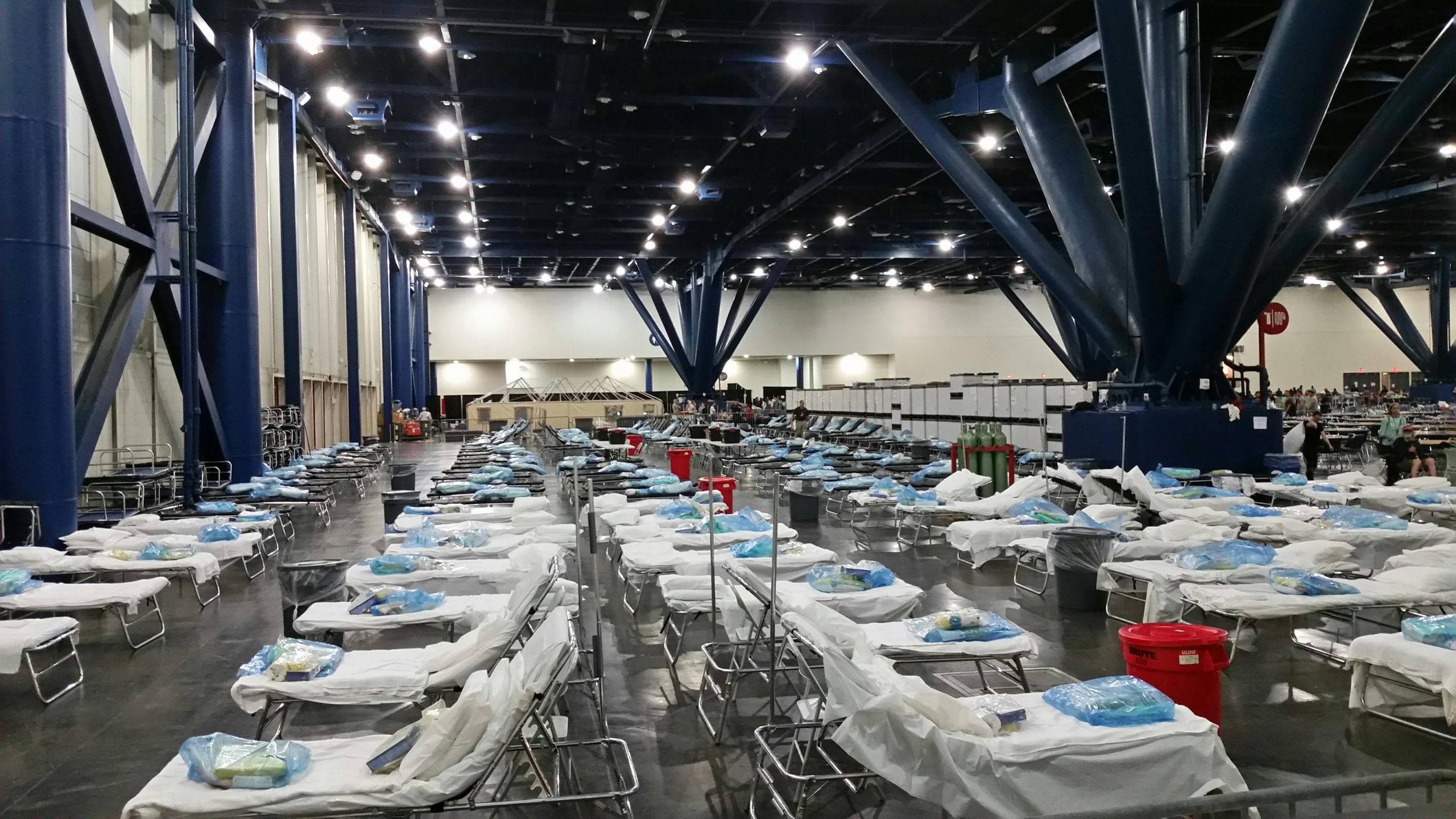
Patients may be treated in hallways, temporary spaces, or asked to wait longer than expected. In emergency departments, this often leads to overcrowding, where people wait hours for a bed to become available.
This pressure affects not only patients but also healthcare workers, who must manage more people with fewer resources.
Why Are Hospital Beds in Short Supply?
There are several key reasons why hospital bed shortages are becoming more common, even in wealthy nations.
1. Aging Populations
High-income countries are experiencing aging populations. Older adults typically require more medical care and longer hospital stays. This increases the demand for beds, especially for chronic conditions and post-surgery recovery.
2. Shorter Hospital Stays—but Higher Turnover
In recent years, hospitals have tried to reduce the length of patient stays to improve efficiency. While this helps free up beds more quickly, it also means hospitals are handling more patients in less time. The result is constant pressure on bed availability.
3. Limited Expansion of Facilities
Building new hospitals or expanding existing ones is expensive and time-consuming. Many healthcare systems have not increased capacity at the same pace as population growth and medical demand.
4. Staff Shortages
Even if beds are physically available, they cannot be used without enough nurses and doctors to care for patients. Staffing shortages effectively reduce the number of usable beds in a hospital.
5. Delayed Discharges
Some patients remain in hospital beds longer than necessary because there are no suitable care options available outside the hospital, such as rehabilitation centers or home care services. This blocks beds that could be used for new patients.
The shortage of hospital beds has real consequences for patients.
One of the most immediate effects is longer waiting times. Patients who need to be admitted may have to wait hours or even days before a bed becomes available. In serious cases, this delay can affect health outcomes.
Emergency departments are particularly affected. When there are no beds available in the hospital, patients remain in the emergency room longer, leading to overcrowding and slower care for everyone.
Scheduled procedures, such as surgeries, may also be postponed. Hospitals sometimes delay non-urgent treatments to prioritize critical cases, which can disrupt patients’ lives and delay recovery.
For elderly patients and those with chronic illnesses, the impact can be even greater. Delays in care can lead to complications, longer recovery times, and increased stress for both patients and their families.
The Hidden Strain on Healthcare Workers
Hospital bed shortages don’t just affect patients—they also place enormous pressure on healthcare staff.
Doctors and nurses often have to manage more patients than they should, leading to increased workload and fatigue. Over time, this can result in burnout, which is already a major issue in many healthcare systems.
When staff are overworked, it can also affect the quality of care. Even the most skilled professionals can struggle to provide the best care when resources are stretched too thin.
This creates a cycle: staff shortages reduce available beds, and bed shortages increase pressure on staff.
While the problem is serious, technology is helping to ease some of the pressure.
Hospitals are using digital systems to manage bed availability more efficiently. These systems track patient admissions, discharges, and transfers in real time, helping staff make better decisions about resource allocation.
Artificial intelligence is also being used to predict patient demand. By analyzing data, hospitals can prepare for busy periods and manage capacity more effectively.
Telemedicine is another important development. By allowing patients to receive care at home, it reduces the number of people who need hospital beds.
Remote monitoring tools also enable doctors to track patients’ health outside the hospital, freeing up space for those who need in-person care.
What Needs to Change?
Solving the hospital bed shortage requires a combination of short-term and long-term solutions.
- Investing in healthcare infrastructure: Building new hospitals and expanding existing ones can increase capacity.
- Improving community care: Providing better home care and rehabilitation services can reduce the need for hospital stays.
- Addressing staff shortages: Training and retaining more healthcare workers is essential.
- Using technology effectively: Smart systems can improve efficiency and reduce unnecessary admissions.
Governments and healthcare organizations need to work together to address these challenges. Without action, the problem is likely to worsen as populations continue to age.
The Road Ahead
The global hospital bed shortage is a clear sign that healthcare systems are under strain, even in high-income countries. It highlights the gap between growing demand and limited resources.
While technology and innovation offer hope, they are not enough on their own. Real change will require investment, planning, and a focus on patient-centered care.






Be First to Comment