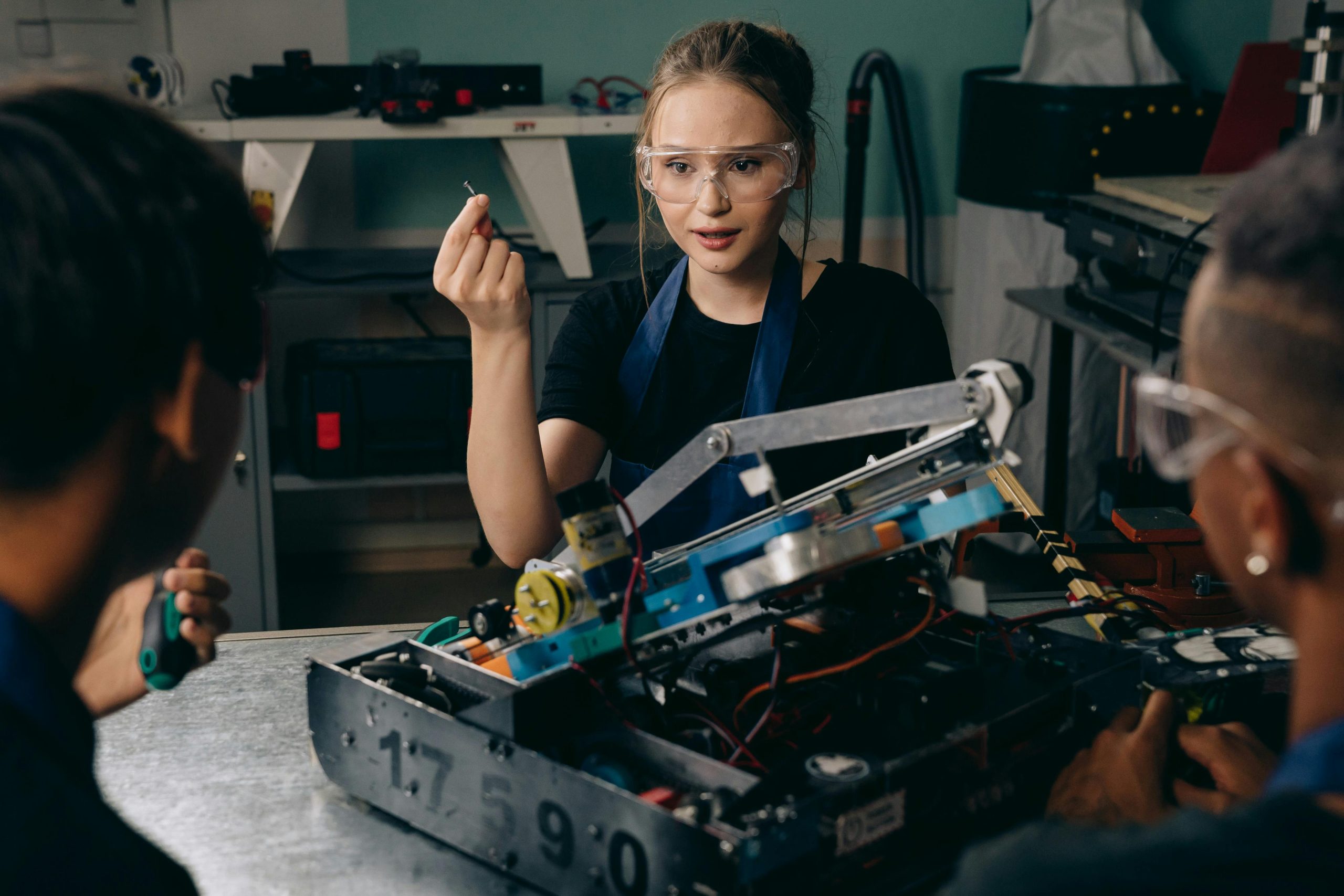
Germany is widely recognized as one of the best countries in the world for mechanical engineering. Known for its strong industrial base, advanced technology, and world-class education system, the country has long been a global leader in engineering innovation. For aspiring and experienced mechanical engineers alike, Germany offers excellent opportunities for education, employment, and long-term career development.
Germany’s Engineering Legacy
Germany’s reputation in mechanical engineering is deeply rooted in its history. The country has been at the forefront of industrial development since the time of the Industrial Revolution. Today, it continues to lead in sectors such as automotive manufacturing, machinery production, and industrial automation.
Major global companies like BMW, Siemens, and Volkswagen are headquartered in Germany and rely heavily on skilled mechanical engineers. These companies not only drive innovation but also create a high demand for engineering talent.
Education in Mechanical Engineering
Germany is home to some of the best universities for mechanical engineering. Institutions such as the Technical University of Munich and the RWTH Aachen University are globally respected for their engineering programs.
One of the biggest advantages of studying in Germany is affordability. Many public universities offer low or no tuition fees, even for international students. Courses are available in both German and English, although learning German can significantly improve your job prospects.
The German education system emphasizes practical learning. Students often participate in internships and industry projects, which provide valuable real-world experience and make them job-ready upon graduation.
Job Opportunities for Mechanical Engineers
Germany has a strong demand for mechanical engineers across multiple industries. Some of the key sectors include:
- Automotive industry
- Aerospace engineering
- Manufacturing and production
- Renewable energy
- Robotics and automation
The automotive sector is particularly dominant, with Germany being one of the largest car producers in the world. Mechanical engineers play a crucial role in designing, testing, and improving vehicles.
In addition, Germany is investing heavily in renewable energy and sustainable technologies. This creates new opportunities for engineers interested in green energy solutions and environmental sustainability.
Salary and Benefits
Mechanical engineers in Germany are well-compensated. Entry-level engineers can expect to earn around €45,000 to €55,000 per year, while experienced professionals can earn €70,000 or more annually.
In addition to competitive salaries, employees benefit from strong labor laws. Germany offers:
- Paid vacation (usually 20–30 days per year)
- Health insurance coverage
- Job security and worker protections
- Work-life balance
These benefits make Germany an attractive destination for professionals seeking both financial stability and a high quality of life.
Work Culture in Germany
The work culture in Germany is known for its efficiency, punctuality, and professionalism. Engineers are expected to be detail-oriented and committed to high-quality standards.
At the same time, German companies value work-life balance. Overtime is generally limited, and employees are encouraged to maintain a healthy balance between work and personal life.
Teamwork and clear communication are also essential. While English is widely used in multinational companies, knowledge of German can greatly enhance your integration into the workplace.
Skills Required
To succeed as a mechanical engineer in Germany, you need a strong foundation in technical knowledge and practical skills. Key areas include:
- Mechanical design and analysis
- CAD software (such as SolidWorks or AutoCAD)
- Manufacturing processes
- Thermodynamics and fluid mechanics
- Automation and robotics
Soft skills are equally important. Employers look for candidates who can work in teams, solve problems efficiently, and adapt to new technologies.
Immigration and Work Opportunities
Germany actively encourages skilled professionals to work in the country. Non-EU citizens can apply for the EU Blue Card, which allows highly qualified workers to live and work in Germany.
Mechanical engineers are often listed as in-demand professionals, making it easier to obtain work visas. After a few years of working in Germany, individuals may also apply for permanent residency.
The country’s strong economy and stable job market make it a reliable choice for long-term career growth.
Challenges to Consider
While Germany offers many advantages, there are also some challenges. One of the main barriers is the language. Although some jobs are available in English, many positions require at least basic knowledge of German.
Another challenge is adapting to the cultural and professional environment. German workplaces can be more formal and structured compared to other countries.
Additionally, the job application process can be competitive, especially for international candidates. A well-prepared resume and strong technical skills are essential to stand out.
Future Outlook
The future of mechanical engineering in Germany looks very promising. With advancements in automation, artificial intelligence, and sustainable technologies, the role of mechanical engineers is evolving rapidly.
Germany’s focus on Industry 4.0—the integration of digital technologies into manufacturing—will create even more opportunities for engineers with interdisciplinary skills.
As industries continue to innovate, mechanical engineers will remain at the core of technological development in the country.
Conclusion
Germany is one of the best destinations in the world for mechanical engineers. With its strong industrial base, excellent education system, and high demand for skilled professionals, it offers outstanding opportunities for both students and experienced engineers.
While challenges such as language barriers and competition exist, the benefits far outweigh the difficulties. With proper preparation, dedication, and continuous learning, a career in mechanical engineering in Germany can be both rewarding and fulfilling.
For anyone looking to build a successful engineering career on a global scale, Germany stands out as a top choice.





Be First to Comment